


5G is revolutionizing the world of security with ultra-fast data transfer, low latency, and massive connectivity. From real-time surveillance to IoT-enabled alarms and autonomous patrol systems, the next generation of networks is transforming how organizations monitor, detect, and respond to threats across India’s growing smart infrastructure.

The fifth generation of mobile communication, better known as 5G, is reshaping industries globally and the security sector stands at the forefront of this transformation. With its promise of lightning-fast data transmission, ultra-low latency, and the ability to connect billions of devices simultaneously, 5G is ushering in a new era of real-time, intelligent security communication networks. For a country like India, where smart cities, critical infrastructure, and industrial automation are rapidly expanding, 5G’s impact on active security systems is poised to be monumental.
Security systems today rely heavily on the speed and reliability of communication networks. Traditional 4G or wired setups often face bandwidth limitations, signal delays, and scalability issues. This hampers the effectiveness of video surveillance, emergency response, and sensor-based alerts. 5G changes this equation completely. With data speeds reaching up to 10 gigabits per second and latency as low as 1 millisecond, 5G ensures near-instantaneous transmission of critical information enabling quicker decisions and faster responses during emergencies.
One of the biggest beneficiaries of 5G technology is video surveillance. High-definition and 4K video feeds require substantial bandwidth for real-time monitoring and cloud storage. Under 4G, many surveillance networks had to compromise resolution or limit camera connectivity. With 5G, security operators can now deploy hundreds of high-resolution cameras across large facilities without lag or downtime. This advancement is crucial for cities, airports, transportation hubs, and industrial complexes where visual clarity can make the difference between prevention and disaster.
Beyond cameras, 5G empowers IoT-based security systems a growing trend across Indian industries. IoT sensors embedded in alarms, access control units, and fire detection devices can communicate seamlessly over 5G networks, transmitting real-time data to centralized control rooms. This interconnected ecosystem allows for predictive monitoring, where AI analyzes data patterns to detect unusual behavior or potential risks before they escalate. For example, a smart building could automatically detect smoke, alert the fire department, and unlock exit routes all within seconds, thanks to 5G’s low latency.
Another emerging application of 5G in security lies in autonomous patrol systems. Drones and robotic guards equipped with 5G connectivity can perform continuous surveillance of large areas, sending live HD video feeds and environmental readings back to the command center. In India, such solutions are already being tested in industrial zones, logistics parks, and large residential communities. Unlike traditional security personnel, these autonomous systems can cover vast areas efficiently while minimizing human risk. With 5G’s reliable connectivity, even remote locations can now be actively monitored without physical presence.
Emergency response coordination is another area being transformed by 5G-enabled networks. In a crisis such as a fire, intrusion, or medical emergency response time is everything. 5G supports real-time communication between on-ground teams, drones, and central command centers. Advanced technologies such as Augmented Reality (AR) and Virtual Reality (VR) can assist responders with live situational awareness, navigation, and hazard mapping. This integrated approach ensures that responders arrive better informed and prepared to handle the situation effectively.
The integration of AI and 5G marks a significant leap forward for proactive security management. AI-powered analytics require large volumes of data to process, often in real time. With 5G’s high-speed data transmission, analytics platforms can instantly interpret visual feeds, detect anomalies, and trigger alerts. For instance, AI-based crowd monitoring systems can identify suspicious behavior or overcrowding during public events, sending automatic alerts to law enforcement. Such applications will be increasingly important in India, where urban density and event management present unique security challenges.
In industrial settings, 5G enhances machine-to-machine (M2M) communication within manufacturing and logistics environments. Automated robots, sensors, and surveillance cameras can coordinate activities seamlessly, ensuring both operational safety and asset security. This real-time interconnectivity minimizes the risk of accidents, thefts, and equipment damage. Moreover, remote maintenance teams can access live system data through 5G networks, enabling faster troubleshooting and reducing downtime in mission-critical operations.
Data security and network resilience are key concerns as 5G rolls out. While the network’s architecture is designed to be more secure than previous generations, the massive number of connected devices increases potential attack surfaces. Cybercriminals could exploit weak IoT endpoints or attempt to intercept data streams. To counter this, 5G networks incorporate advanced encryption protocols, network slicing, and AI-based intrusion detection. Organizations must complement these measures with robust cybersecurity frameworks and regular audits to ensure complete system integrity.
India’s major telecom providers including Reliance Jio, Airtel, and Vodafone Idea have already begun deploying 5G infrastructure across metros and industrial corridors. This expansion is paving the way for next-generation smart security systems that can support critical sectors such as transportation, energy, and public safety. Smart cities like Pune, Hyderabad, and Ahmedabad are exploring the use of 5G-enabled surveillance grids that combine facial recognition, Automatic Number Plate Recognition (ANPR), and AI analytics for urban crime prevention.
The potential of 5G extends beyond traditional security applications. In disaster management and firefighting, 5G-connected drones can map disaster zones in real time, providing rescuers with thermal images and structural assessments. During floods, landslides, or chemical leaks, real-time data from 5G IoT sensors can guide emergency response teams more effectively. This combination of speed, intelligence, and connectivity makes 5G a critical enabler of public safety innovation in India.
However, the transition to 5G-based security networks is not without challenges. Infrastructure costs, interoperability issues with legacy systems, and the need for skilled manpower remain hurdles. Additionally, rural and remote areas may take longer to receive consistent 5G coverage. Policymakers and industry leaders must collaborate to ensure equitable access and security standardization across all regions. The government’s Digital India initiative, coupled with growing investment in telecom infrastructure, is a promising step toward overcoming these barriers.
The future of security communication will be defined by convergence where 5G acts as the backbone connecting AI, IoT, robotics, and cloud computing. This integrated ecosystem will allow organizations to shift from reactive to predictive security models, preventing incidents before they occur. From real-time facial recognition at airports to autonomous response systems in factories, 5G will make security faster, smarter, and more adaptive than ever before.
In conclusion, 5G is not just a network upgrade it’s a paradigm shift in the way security systems communicate and operate. Its unmatched speed, reliability, and scalability make it the foundation for next-generation security infrastructure in India. As adoption grows, 5G will empower organizations to build safer, more responsive environments where human and technological intelligence work seamlessly together to protect what matters most.

Electric fencing strengthens perimeter security by deterring unauthorized access, detecting intrusion attempts, and integrating with CCTV, alarms, and security teams to create a proactive, layered defense system.
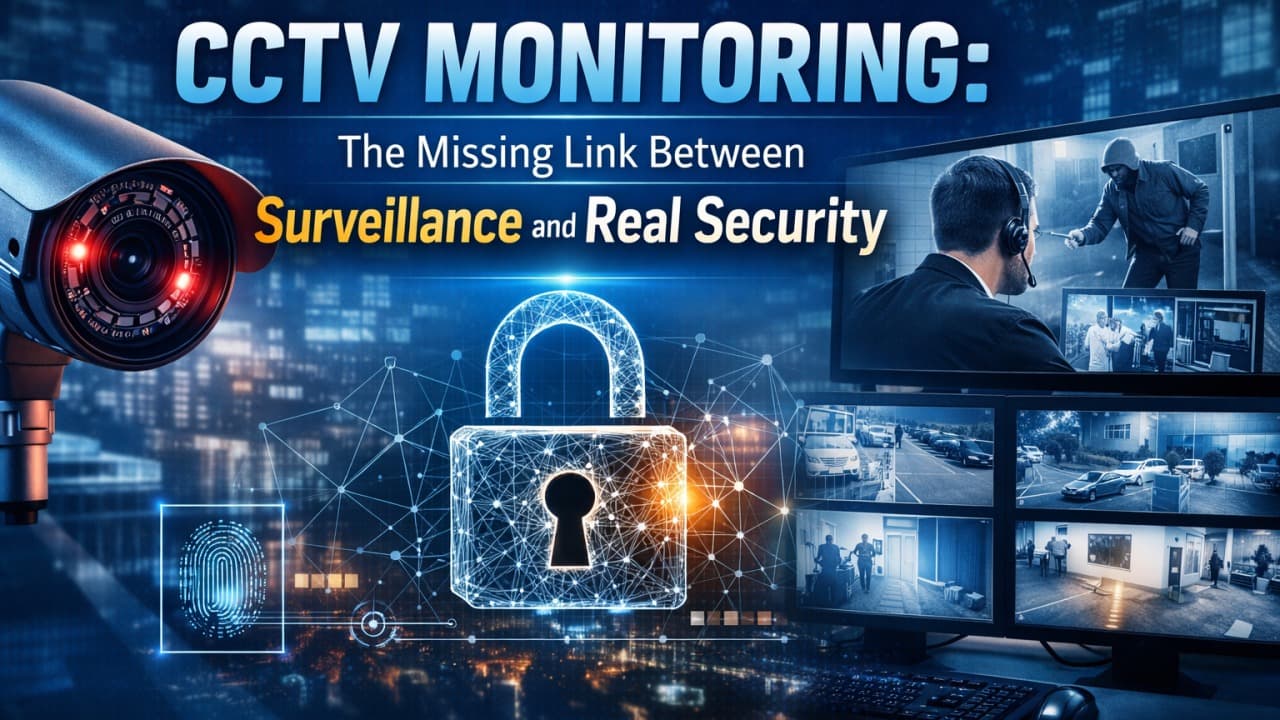
CCTV surveillance is a critical component of modern security systems, providing real-time monitoring, deterrence, and evidence collection. When properly planned and maintained, CCTV helps prevent unauthorized access, detect suspicious activity, and support investigations. However, effectiveness depends on camera placement, monitoring quality, system integration, and regular maintenance.
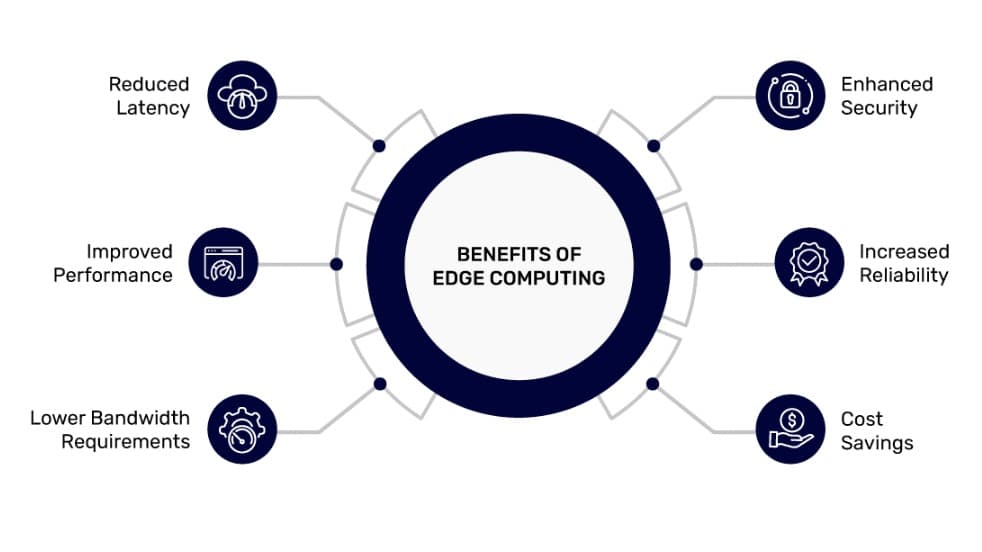
Edge computing is transforming security systems by enabling real-time data processing at the source. By reducing latency, minimizing bandwidth usage, and enabling faster decision-making, edge-based security solutions enhance surveillance efficiency, improve threat response, and support scalable, intelligent security infrastructure across modern enterprises and critical environments.