


Dr. Arindam Bhadra, Director, SSA Integrate, Kolkata.

Choosing the right security framework for your data is crucial. Cloud vs on-premise security offers distinct advantages and challenges, shaping how businesses protect sensitive information.
Understanding these differences is key to deploying a strategy that safeguards data and aligns with operational needs.
On-Premise & Cloud Security Compared
On-premise and cloud security solutions represent two fundamentally different approaches to protecting data.
On-premise security, often referred to as on-prem, involves storing data on local servers and managing it directly within the physical premises of a company. This approach provides complete control over security measures and physical security but requires significant investment in infrastructure, ongoing maintenance, and robust security teams.
Conversely, cloud security leverages remote servers managed by third-party cloud providers to store and secure data. This model offloads much of the heavy lifting of data security to the cloud provider, offering scalability, cost savings on hardware, and access to advanced security features without the same capital expenditure.
However, it relies heavily on the cloud provider’s ability to protect data and manage cyber threats effectively, potentially limiting the direct control businesses have over their sensitive data and security infrastructure.
What’s A Cloud Security?
Cloud security refers to the set of policies, technologies, applications, and controls used to protect data, applications, and the associated infrastructure of cloud computing. It is a critical component of any cloud service offered by cloud providers who manage and maintain the cloud infrastructures.
Pros:
Scalability: Cloud security scales with your needs, allowing for adjustments in protection as your data storage or security needs change.
Cost-Effectiveness: Reduces the need for major hardware investments and lowers ongoing software licenses and system maintenance costs.
Advanced Security Features: Typically includes robust security controls, disaster recovery plans, and frequent updates to defend against the latest threats.
Cons:
Dependency on Internet Connection: Requires a constant internet connection to access data, which can be a significant drawback during outages.
Less Control: Users have less control over their data as it is managed by the cloud service provider.
Potential for Data Breaches: Although secure, the external management of data may increase exposure to data breaches if not properly managed.
What’s On-Premise Security?
On-premise security involves managing the IT infrastructure and data storage on-site within a company’s facilities. This traditional IT infrastructure allows companies full control over their data and security measures.
Pros:
Complete Control: Organizations have full authority over their security systems, data management, and compliance with industry regulations.
Physical Control: Data remains within the company’s physical location, which can enhance security measures and reduce the risk of data breaches from external sources.
Customization: Systems can be customized to meet specific security requirements and integrate seamlessly with existing on-premise infrastructure.
Cons:
High Initial Costs: Requires significant capital investment in physical servers, cooling systems, and other infrastructure.
Maintenance and Upgrades: Responsibility for maintenance, upgrades, and security falls on the organization, requiring dedicated IT staff and additional resources.
Limited Scalability: Scaling up requires additional hardware and can be slower and cumbersome than cloud solutions.
Factors To Consider
Infrastructure
On-premise solutions require significant local server and storage infrastructure, making them ideal for organizations with established data centers that can securely handle sensitive data.
In contrast, cloud solutions leverage the cloud infrastructure provided by vendors, reducing the need for physical storage but necessitating a reliable internet connection to access cloud data and services. This decision often depends on the capacity to effectively manage and protect the infrastructure.
Maintenance
Maintenance demands for on-premise vs. cloud security solutions differ substantially. On-premise systems require ongoing maintenance by in-house IT staff to protect the data center, perform regular backups, and update software and hardware. It can be costly and labor-intensive but offers greater control.
Cloud-based services, however, shift the burden of maintenance to the cloud provider. It includes automatic updates and disaster recovery options, reducing the workload on local IT staff and minimizing the direct control organizations have over their maintenance processes.
Compliance
Compliance with industry regulations is critical in deciding between on-premise and cloud solutions. On-premise security solutions often allow organizations to tailor their security measures and data management practices to meet specific regulatory requirements, offering a significant advantage in industries with stringent data protection standards.
While offering robust security controls and compliance with general standards, cloud services may not be suitable for all regulatory environments, particularly where the physical location and data handling are concerned. Companies must assess whether cloud or on-premise solutions align with their compliance needs and security posture.
Connectivity
Connectivity is essential when deploying any security solution. Cloud solutions typically require a strong, consistent internet connection to access data and security controls, making them dependent on the quality of the internet service. It can be a drawback in areas with unreliable connectivity.
On-premise solutions, on the other hand, often rely on internal networks, reducing dependence on external internet services and enhancing control over access management. However, this can limit the ability to remotely manage security unless solutions to incorporate automatic rerouting and other connectivity enhancements are implemented.
Storage
The choice between cloud and on-premise solutions also affects how and where data is stored. Cloud storage offers virtually unlimited capacity and scalability, which can be a significant advantage for organizations dealing with large volumes of data or those requiring the flexibility to scale quickly.
On-premise solutions provide more control over the physical storage infrastructure, which can be crucial for meeting certain regulatory compliance standards or handling highly sensitive data. However, expanding storage capacity on-premise can be costly and requires physical space and additional hardware.
Reliability
Reliability is crucial in maintaining continuous operations, especially with security systems.
On-premise systems allow for direct control over the entire infrastructure, which is more reliable in managing and foreseeing potential failures within the data center. However, these systems are susceptible to physical damage and local disruptions.
While potentially more vulnerable to internet outages, cloud solutions often offer enhanced reliability through redundant systems and data centers in various geographies, ensuring that data remains accessible and protected against single points of failure.
Security Monitoring
Effective security monitoring is vital for identifying and responding to threats in real-time. Cloud-based security solutions often come with advanced security monitoring tools that the cloud provider constantly updates to handle the latest threats. It allows security professionals to focus on strategic security planning rather than the day-to-day updates of security systems.
On-premise solutions, while offering more control over the monitoring process, require significant investment in developing and maintaining these systems.
The organization’s ability to keep pace with rapidly evolving security threats can be challenged unless ongoing updates and training are part of the operational plan.

Electric fencing strengthens perimeter security by deterring unauthorized access, detecting intrusion attempts, and integrating with CCTV, alarms, and security teams to create a proactive, layered defense system.

CCTV surveillance is a critical component of modern security systems, providing real-time monitoring, deterrence, and evidence collection. When properly planned and maintained, CCTV helps prevent unauthorized access, detect suspicious activity, and support investigations. However, effectiveness depends on camera placement, monitoring quality, system integration, and regular maintenance.
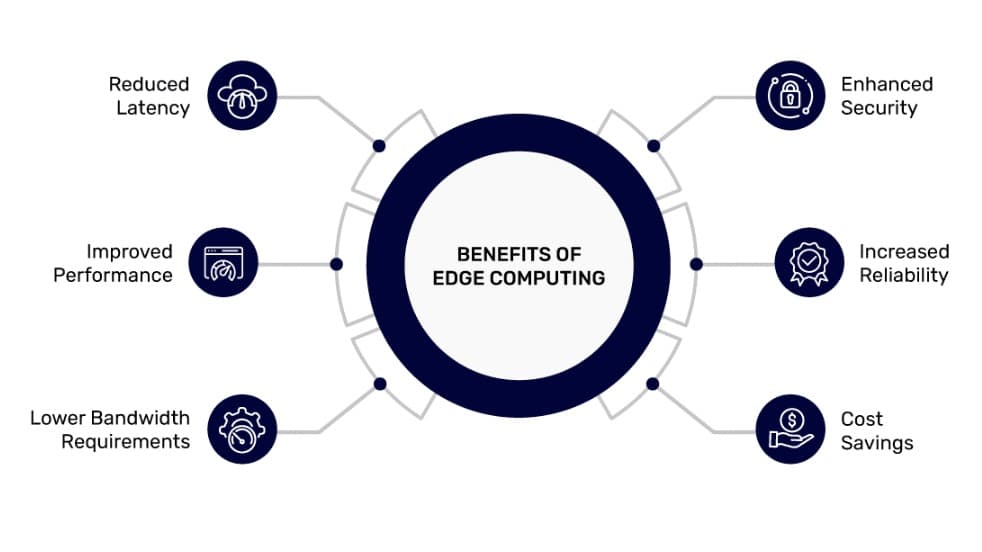
Edge computing is transforming security systems by enabling real-time data processing at the source. By reducing latency, minimizing bandwidth usage, and enabling faster decision-making, edge-based security solutions enhance surveillance efficiency, improve threat response, and support scalable, intelligent security infrastructure across modern enterprises and critical environments.