


Women in the security industry are breaking barriers and reshaping the field with leadership, innovation, and resilience. From corporate security to cybersecurity and law enforcement, they bring diverse perspectives and skills. This blog explores their impact, challenges, and the path toward a more inclusive, secure future

The security industry has traditionally been male-dominated, but in recent years, women have been making remarkable strides in breaking barriers and leading change. From corporate security to cyber security, law enforcement, and private security services, women are proving their capabilities, resilience, and leadership skills. Their growing presence is not just redefining gender roles but also enhancing the industry with diverse perspectives and innovative solutions. This blog delves into the journey of women in security, the challenges they face, and their significant contributions toward shaping a more inclusive and secure world.
HISTORICAL PERSPECTIVE: WOMEN IN SECURITY
Historically, women in security roles were often restricted to administrative or support positions. However, their involvement in law enforcement and military services has steadily grown over the years. From the early female pioneers in policing to those taking command in private security firms today, the journey has been one of resilience and determination.
Women like Alice Stebbins Wells, the first female police officer in the United States in 1910, paved the way for future generations. Today, women hold leadership positions in organizations such as INTERPOL, the FBI, and multinational security firms. Their role in intelligence, risk assessment, and crisis management is becoming increasingly recognized and valued.
CURRENT LANDSCAPE: WOMEN IN VARIOUS SECURITY SECTORS
Women are now actively contributing across different verticals of security, bringing fresh insights and strategic leadership. Some key areas where women have made a substantial impact include:
1. Corporate Security
With businesses prioritizing security like never before, women are stepping into key roles as Chief Security Officers (CSOs) and risk management leaders. Their ability to analyze threats, implement risk-mitigation strategies, and lead teams effectively has gained recognition.
2. Cybersecurity
Cybersecurity is one of the fastest-growing sectors, and women are playing a crucial role in defending organizations against cyber threats. Experts like Parisa Tabriz (Google’s “Security Princess”) and others are setting examples by leading cybersecurity teams, designing secure systems, and influencing global security policies.
3. Law Enforcement & Military
Women are increasingly serving in police forces, military units, and intelligence agencies worldwide. From patrol officers to SWAT team leaders and counterterrorism specialists, they bring unique skills to law enforcement. Their contributions to community policing and crisis negotiation are particularly noteworthy.
4. Private Security & Executive Protection
The private security industry, once dominated by men, is witnessing a rise in female professionals. Women are being sought after for executive protection roles, event security, and investigative services, particularly in situations where their presence offers strategic advantages, such as undercover assignments or high-profile client protection.
CHALLENGES FACED BY WOMEN IN THE SECURITY INDUSTRY
Despite significant progress, women in security still face several challenges that need to be addressed:
1. Gender Bias & Stereotypes
Women often encounter skepticism about their ability to handle physically demanding or high-risk security roles. The perception that security is a “man’s job” continues to be a barrier to entry and growth.
2. Workplace Harassment & Discrimination
Many women in security report facing discrimination or harassment in their workplaces. The lack of female representation in senior leadership positions also means fewer mentors and role models to guide aspiring professionals.
3. Work-Life Balance
Security roles often require odd hours, extensive travel, and high-pressure situations, making it challenging for women to balance their professional and personal responsibilities.
4. Limited Training & Advancement Opportunities
Women may have fewer opportunities for specialized training and promotions due to biases in hiring and internal career progression systems.
BREAKING BARRIERS: STRATEGIES FOR SUCCESS
For women to continue making progress in the security industry, both individual efforts and organizational support are essential. Some key strategies to help break these barriers include:
1. Encouraging More Women to Join Security Careers
Educational institutions and industry bodies should promote security careers among women. Scholarship programs, awareness campaigns, and mentorship initiatives can inspire more women to consider this field.
2. Creating Inclusive Workplaces
Companies must actively work toward diversity and inclusion by ensuring unbiased hiring practices, equal pay, and supportive policies such as parental leave and flexible work arrangements.
3. Providing Leadership & Skill Development Programs
Women should be given access to leadership training, self-defense programs, and specialized security certifications to enhance their professional growth.
4. Addressing Harassment & Workplace Safety
Stronger policies and strict enforcement against workplace harassment will create a safer and more encouraging environment for women to thrive in security roles.
5. Recognizing & Showcasing Female Achievements
Highlighting the success stories of women in security through industry events, awards, and media representation can inspire the next generation and drive further change.
WOMEN LEADING THE CHANGE: NOTABLE EXAMPLES
Several women have emerged as leaders in the security industry, proving that gender is no barrier to excellence. Some inspiring Indian figures include:
Kiran Bedi: India’s first female IPS officer and a pioneer in police reforms and prison management.
Radhika Iyengar: A renowned cybersecurity expert and a key advocate for women in technology and security.
Aparna Kumar: A senior IPS officer known for her contributions to law enforcement and disaster management.
Dr. Triveni Singh: A cybersecurity specialist recognized for her efforts in tackling cybercrime in India.
Binda Sudhakaran: A leader in private security and women’s safety initiatives, promoting inclusive security solutions.
Their achievements demonstrate the invaluable role women play in shaping security policies and practices globally.
THE FUTURE OF WOMEN IN SECURITY
The future of the security industry will be significantly influenced by women’s continued involvement and leadership. As technology evolves and new security challenges emerge, the need for diverse perspectives will become even more critical. With increasing efforts to break barriers, women will continue to redefine security professions, contributing to safer societies and stronger institutions.
By fostering a culture of inclusion, supporting education, and providing equal opportunities, the security industry can ensure that more women take on influential roles and drive meaningful change.
CONCLUSION
Women have already made significant contributions to the security industry, but their journey is far from over. Breaking barriers and leading change requires ongoing efforts from individuals, organizations, and society as a whole. As more women step into leadership roles, their influence will help shape a more secure and equitable world for everyone.
The path forward is clear by championing diversity, encouraging mentorship, and providing equal opportunities, the security industry can harness the full potential of women’s contributions. The future of security is not just about technology and strategy; it is also about inclusivity, innovation, and shared responsibility in building a safer world.
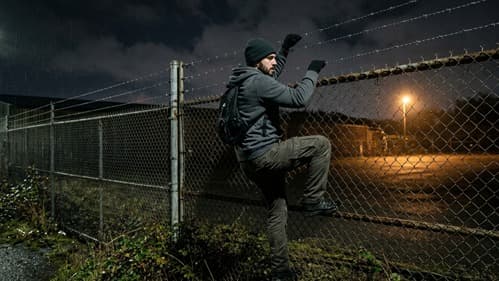
Electric fencing strengthens perimeter security by deterring unauthorized access, detecting intrusion attempts, and integrating with CCTV, alarms, and security teams to create a proactive, layered defense system.
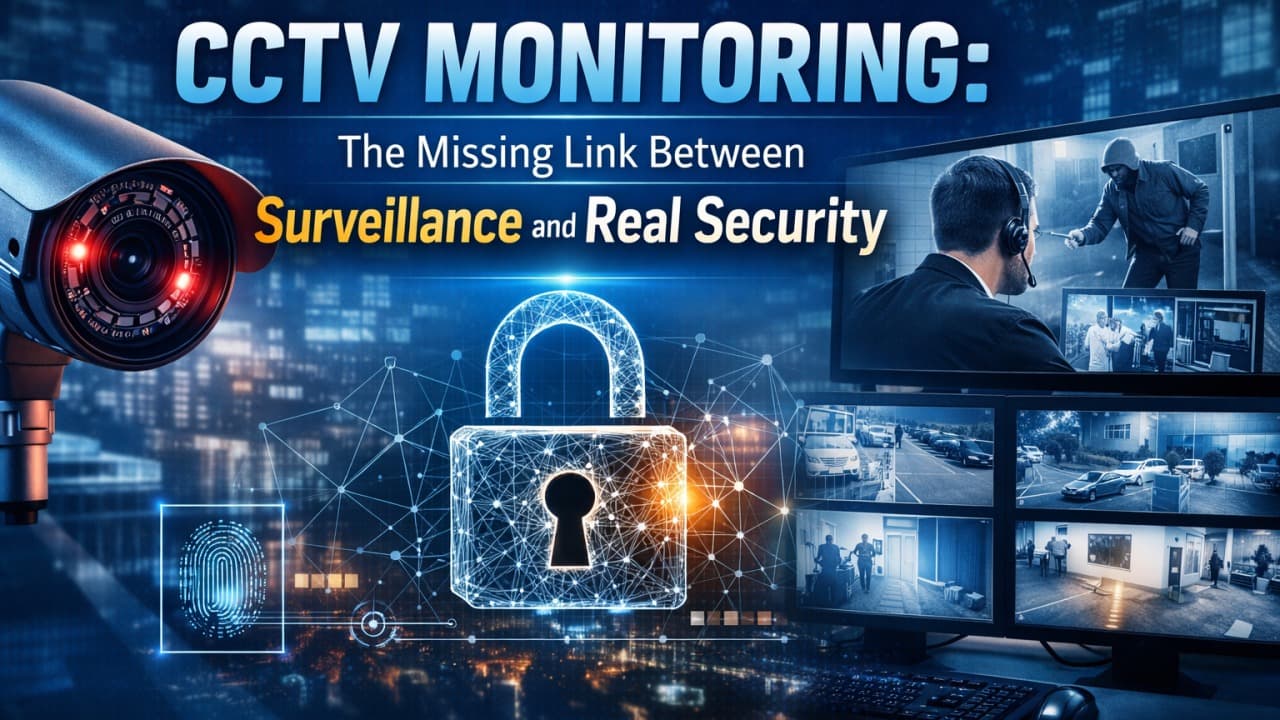
CCTV surveillance is a critical component of modern security systems, providing real-time monitoring, deterrence, and evidence collection. When properly planned and maintained, CCTV helps prevent unauthorized access, detect suspicious activity, and support investigations. However, effectiveness depends on camera placement, monitoring quality, system integration, and regular maintenance.
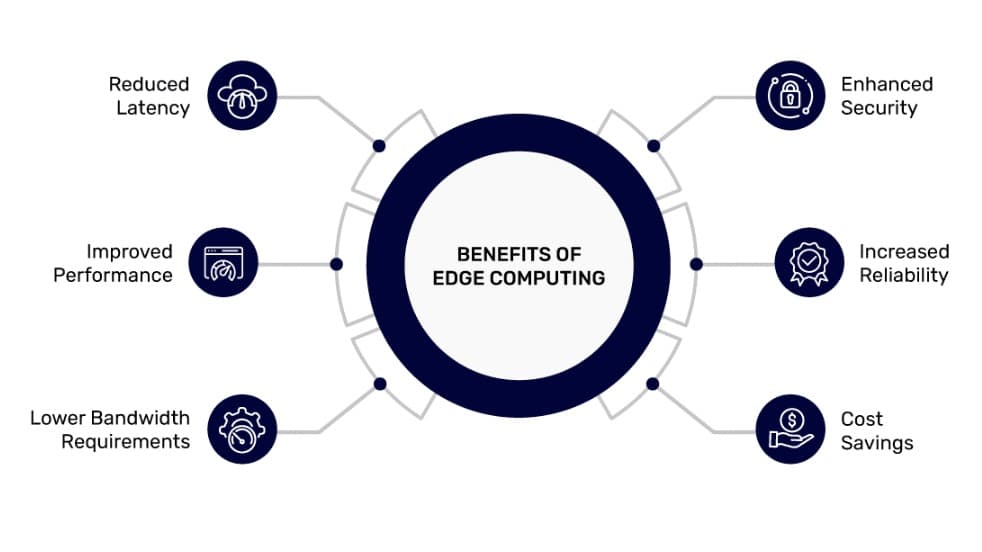
Edge computing is transforming security systems by enabling real-time data processing at the source. By reducing latency, minimizing bandwidth usage, and enabling faster decision-making, edge-based security solutions enhance surveillance efficiency, improve threat response, and support scalable, intelligent security infrastructure across modern enterprises and critical environments.