


Smart locks promise convenience, but are they opening the door to silent cyber intrusions? This blog explores real cases where Wi-Fi enabled locks were hacked, the overlooked backdoors in firmware, and the urgent need for updated smart-home security standards in India’s growing urban landscape.

The Allure of Smart Security
From homes and hotels to co-working spaces and warehouses, smart locks are redefining how we think about access control. With a simple tap on a smartphone or a voice command to a smart assistant, doors unlock, access is granted, and control is at your fingertips.
But beneath this convenience lies a quiet vulnerability a silent breach that doesn't shatter glass or break doors but seeps in through unpatched firmware, weak passwords, or compromised cloud APIs. As India’s smart infrastructure boom accelerates, the question isn’t “if” your smart lock can be hacked, but “when.”
The Anatomy of a Smart Lock Modern smart locks integrate:
Bluetooth, Wi-Fi, or Z-Wave connectivity
Cloud-based control systems or mobile apps
Biometric sensors or digital keypads
Remote access sharing via email, QR codes, or OTPs
While these features offer control and audit trails, they also extend the attack surface dramatically compared to traditional locks.
Real-World Breaches: Alarming Case Studies
Case 1: Airbnb Bangalore, 2024
An Airbnb host in Bangalore used a popular smart lock brand that allowed guests to access the property via digital codes. A hacker exploited an old, unpatched firmware vulnerability and accessed the admin panel. The intruder changed the code, locked the legitimate guest out, and ransacked the house.
Case 2: Office Lockout in Gurugram
A co-working space with over 40 smart locks across cabins faced a coordinated cyber breach. Attackers used a stolen master access token (from a compromised vendor's database) to remotely unlock every room and extract sensitive startup documents. The breach went unnoticed for hours, as the physical damage was nil.
How Smart Locks Are Hacked
Bluetooth Spoofing
Bluetooth Low Energy (BLE) connections, if not encrypted, can be intercepted. Attackers use BLE sniffing tools to mimic an authorized device and unlock the door.
Firmware Exploits
Many smart locks operate on outdated firmware, which contains known vulnerabilities that can be reverse-engineered and exploited.
Weak Cloud APIs
APIs that control locks remotely often lack rate limiting or strong authentication, making brute-force or session hijacking easier.
Default Credentials
Many users (and even businesses) fail to change factory-set admin credentials leaving their digital doors wide open.
App Cloning or Phishing
Fake versions of lock-control apps trick users into entering credentials, which are then used to control the locks remotely.
Why This Should Worry You: Silent, Stealthy, Devastating
Unlike traditional break-ins:
There’s often no physical trace.
Breaches are remote and scalable.
Logs can be manipulated or erased.
Victims usually discover the breach after significant damage has occurred.
The silent nature of these attacks makes them more dangerous they don’t trip alarms or raise suspicion immediately.
Smart Locks in Indian Context: A Rapid Shift Without Safety Nets
India is witnessing a smart home revolution. From urban millennials upgrading apartments to commercial hubs adopting smart access control, the growth is outpacing regulation. However:
BIS (Bureau of Indian Standards) has no dedicated smart lock safety code.
Cybersecurity compliance for smart home devices remains voluntary.
Users often rely on imported products with unknown or outdated firmware.
What’s at Stake?
Personal Privacy
Unauthorized access means more than theft it can involve surveillance, stalking, or data harvesting from linked devices.
Business Continuity
Smart locks on server rooms, file storage areas, and R&D cabins can grant intruders access to confidential assets.
Reputation & Liability
A compromised smart entry point at a co-living or hospitality business could invite lawsuits and media backlash.
Mitigation Measures: Smart Ways to Secure Your Smart Locks
1. Update Firmware Regularly
Ensure all locks receive automatic firmware updates. If a lock doesn’t offer this feature, it’s time to reconsider the brand.
2. Use Encrypted Connections Only
Choose smart locks that offer end-to-end encryption for Bluetooth and Wi-Fi communications.
3. Strengthen Authentication
Implement multi-factor authentication (MFA) for admin access. Use biometric controls or hardware tokens wherever possible.
4. Conduct Regular Penetration Testing
Especially for commercial properties, regular ethical hacking of smart lock systems can reveal hidden vulnerabilities.
5. Cloud Isolation
Avoid using the same cloud infrastructure for smart locks and other sensitive systems. If a breach occurs, segmentation reduces the fallout.
6. Avoid Default or Simple Passwords
It may sound basic, but even major offices are guilty of using '1234' or 'admin' as access codes.
Future-Proofing: Security by Design
Indian manufacturers and importers need to adopt security-by-design frameworks. This includes:
Mandatory penetration testing during product development
BIS certification standards for digital access control devices
Security patch timelines mandated by law
Startups and ISPs are already building Indian-made alternatives to Chinese smart locks, and now is the time to make cybersecurity their unique selling point.
Legal Landscape: Still Catching Up
India’s Digital Personal Data Protection Act (2023) holds companies responsible for breaches caused by negligence but it doesn’t yet extend to consumer-level smart devices unless tied to critical infrastructure.
However, under the IT Act, Section 66 and 72A can apply in case of unauthorized access to smart homes or offices. Still, proving culpability remains a challenge when traces are minimal.
Conclusion: Lock Smart, But Stay Smarter
Smart locks were meant to replace the vulnerabilities of physical keys but in doing so, they’ve introduced a new era of invisible intrusions. In a world where even your doorknob is online, vigilance isn’t optional it’s essential.
Choose security products that prioritize privacy, transparency, and updatability. Keep your systems segmented, your credentials secure, and your firmware current. Because in the digital age, the most secure door is the one that knows when not to open.

Electric fencing strengthens perimeter security by deterring unauthorized access, detecting intrusion attempts, and integrating with CCTV, alarms, and security teams to create a proactive, layered defense system.

CCTV surveillance is a critical component of modern security systems, providing real-time monitoring, deterrence, and evidence collection. When properly planned and maintained, CCTV helps prevent unauthorized access, detect suspicious activity, and support investigations. However, effectiveness depends on camera placement, monitoring quality, system integration, and regular maintenance.
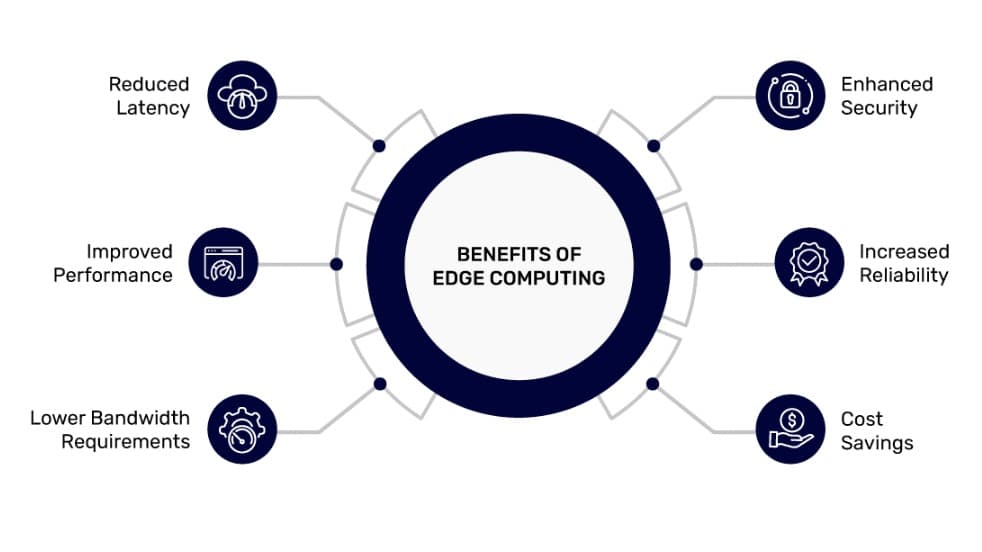
Edge computing is transforming security systems by enabling real-time data processing at the source. By reducing latency, minimizing bandwidth usage, and enabling faster decision-making, edge-based security solutions enhance surveillance efficiency, improve threat response, and support scalable, intelligent security infrastructure across modern enterprises and critical environments.