


Corporate espionage is evolving with deepfake videos and malicious QR codes used for phishing, data theft, and identity spoofing. Learn how these stealthy tactics infiltrate even well-secured organizations and what new digital hygiene protocols are essential for businesses in 2025.

A NEW AGE OF CORPORATE THREATS
In today’s hyper-connected digital landscape, corporate espionage is no longer the cloak-and-dagger operation it once was. It has morphed into something far more insidious blending the invisible lines between AI, social engineering, and convenience-based vulnerabilities. Two of the most alarming tools emerging in the arsenal of modern corporate spies are QR code scams and deepfake technology. These methods don’t just target networks they target people, exploiting trust and digital naivety in equal measure.
THE UBIQUITY (AND DANGER) OF QR CODES
QR codes are everywhere: from restaurant menus and product packaging to office entry points and meeting invites. Their surge in popularity, especially post-COVID, has created a comfort zone. But that comfort is exactly what cybercriminals exploit.
HOW QR CODE SCAMS WORK
Malicious actors replace or mask legitimate QR codes with their own. When an employee scans the code, they may be redirected to a spoofed login page, unknowingly entering credentials that get sent directly to attackers. Others may unknowingly install malware that opens backdoors into corporate systems.
REAL-WORLD INCIDENT
In late 2024, a leading logistics company in Bengaluru experienced a breach when a malicious QR code was placed on a printed HR bulletin. Employees who scanned the code were led to a fake internal portal, where credentials were harvested. The breach wasn’t detected until a month later, costing the company both data and client trust.
DEEPFAKES: MANIPULATING REALITY WITH AI
Deepfake technology, which uses AI to superimpose faces and mimic voices, is no longer limited to viral videos. In the corporate world, it’s becoming a powerful tool for deception.
FROM VIDEO CALLS TO FINANCIAL FRAUD
Imagine receiving a video call from your “CEO” asking for urgent fund transfers or sensitive files. It looks like them, sounds like them but it’s a fake. In February 2025, a tech startup in Pune was duped into wiring ₹1.4 crore after receiving a video call from what appeared to be its London-based co-founder. It was later discovered to be a deepfake.
IMPERSONATION IN RECRUITMENT
Some attackers are even using deepfakes to impersonate job applicants and infiltrate companies through remote hiring processes aiming to gain long-term access to internal systems.
WHY THESE THREATS WORK: THE PSYCHOLOGY OF TRUST?
Both QR scams and deepfakes exploit one common vulnerability: human trust.
Convenience bias leads users to scan QR codes without verifying their origin.
Authority bias makes employees comply with what appears to be directives from higher-ups.
Visual confirmation is still trusted more than email or text even though deepfakes can now fool the eye and ear with terrifying accuracy.
CORPORATE ESPIONAGE IN 2025;
A SILENT EVOLUTION
What makes these tools especially dangerous is how subtle they are. Unlike traditional cyberattacks that trigger security alarms, QR-based intrusions and deepfake scams often bypass conventional firewalls and antivirus software.
No suspicious attachments.
No brute force attacks.
Just a scan or a call.
By the time anomalies are detected, attackers may have already exfiltrated gigabytes of sensitive data or compromised key systems.
MITIGATION MEASURES: RAISING THE BAR ON SECURITY AWARENESS
To combat these sophisticated threats, organizations must evolve their security frameworks. Here’s how:
1. Zero Trust Policy for QR Code Usage
Discourage scanning of any unofficial or unverified QR codes within office premises.
Use digitally signed QR codes that expire after a specific time.
Implement URL preview settings on corporate devices to display where the QR code leads.
2. Deepfake Detection Training & Tools
Train employees to recognize deepfake inconsistencies like unnatural blinking or lip-sync mismatches.
Use AI-powered deepfake detection tools during video conferencing and remote recruitment.
Encourage callback verification for all unusual or financial requests.
3. Two-Factor Verification for Everything
Even if a QR code or video call tricks an employee, a secondary authentication step can stop the breach. Whether it’s facial ID, biometric access, or OTPs layered defenses are vital.
4. Cyber Hygiene Awareness
Conduct regular workshops and phishing simulations involving QR and video-based scenarios. Make security awareness part of company culture, not just an IT department mandate.
5. Monitor the Dark Web
Often, harvested credentials or deepfaked content are sold or tested on the dark web first. Using threat intelligence platforms to monitor such activity can help you act before damage occurs.
REGULATORY FRAMEWORKS AND LEGAL PREPAREDNESS
India’s Data Protection Act 2023 has expanded mandates around identity misuse and digital impersonation. Companies should align internal policies with these laws and work with legal teams to create escalation protocols in case of deepfake-related fraud.
Conclusion: Vigilance is the New Defense
Corporate espionage in 2025 doesn’t wear ski masks it hides behind innocent-looking QR codes and familiar faces on screen. As organizations rush to modernize and digitize, the weakest link is often human trust in the digital realm.
The solution lies in digital skepticism, layered verification, and a shift in how companies think about identity and intent. A QR scan or a video call should no longer be taken at face value.
In the evolving world of corporate security, it’s not just about defending networks it’s about defending perception. And that makes awareness your most powerful firewall.

Electric fencing strengthens perimeter security by deterring unauthorized access, detecting intrusion attempts, and integrating with CCTV, alarms, and security teams to create a proactive, layered defense system.
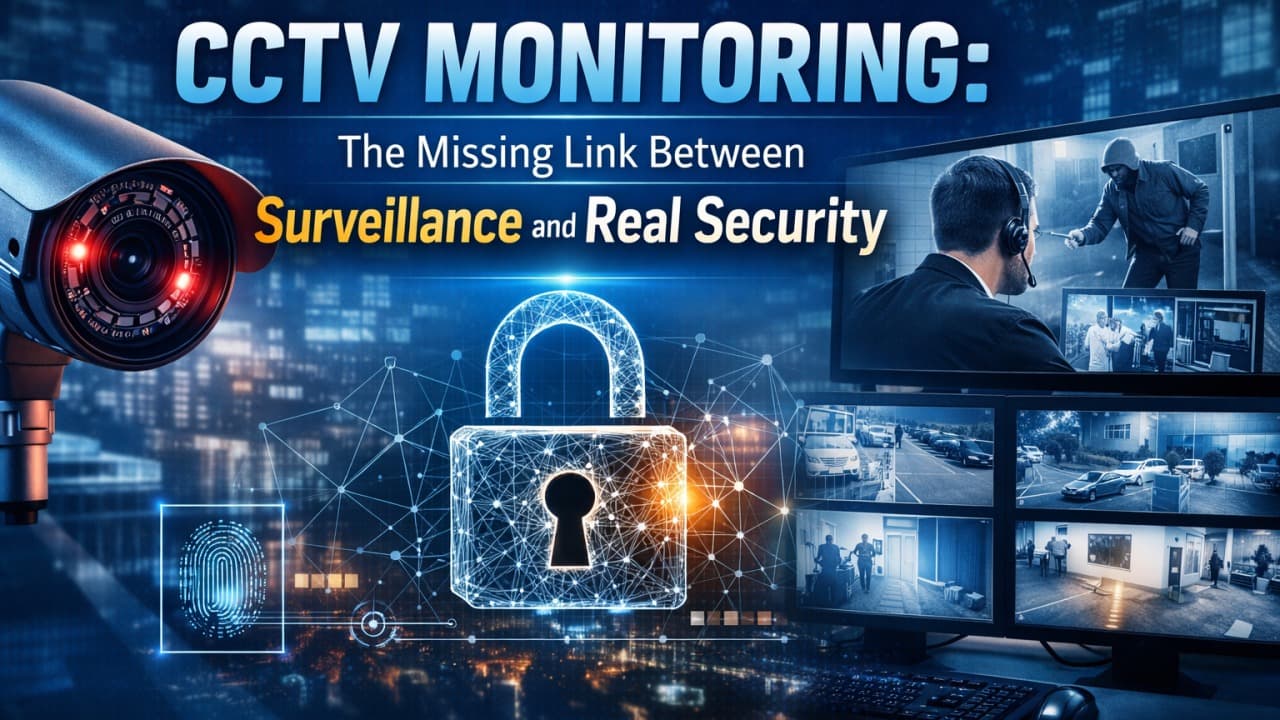
CCTV surveillance is a critical component of modern security systems, providing real-time monitoring, deterrence, and evidence collection. When properly planned and maintained, CCTV helps prevent unauthorized access, detect suspicious activity, and support investigations. However, effectiveness depends on camera placement, monitoring quality, system integration, and regular maintenance.
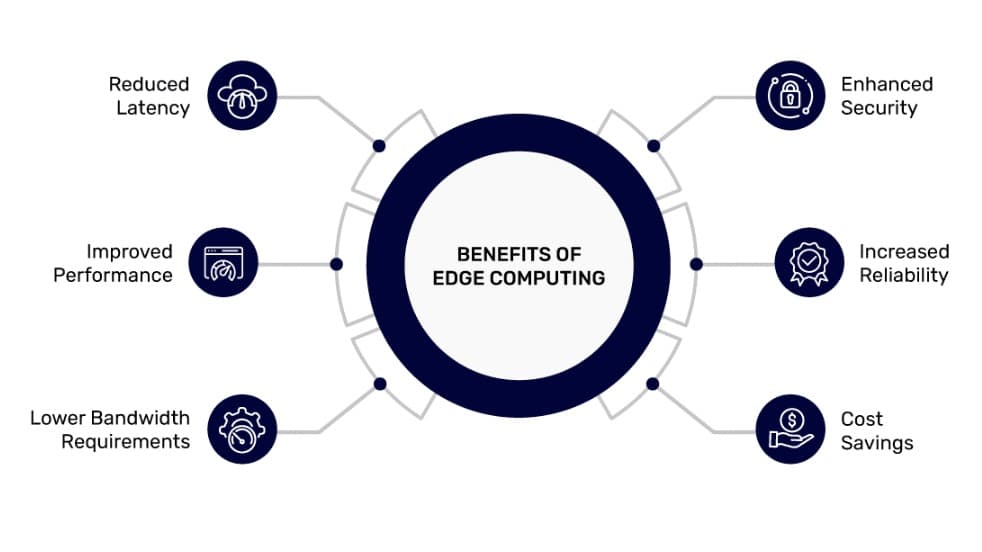
Edge computing is transforming security systems by enabling real-time data processing at the source. By reducing latency, minimizing bandwidth usage, and enabling faster decision-making, edge-based security solutions enhance surveillance efficiency, improve threat response, and support scalable, intelligent security infrastructure across modern enterprises and critical environments.