


As artificial intelligence reshapes modern security, ethical concerns grow around surveillance, facial recognition, and data privacy. This blog explores how India and the world are grappling with these challenges seeking a balance between protection and personal freedom in an increasingly AI-driven world.
AI ETHICS IN SECURITY: STRIKING A BALANCE BETWEEN SAFETY AND SURVEILLANCE
In today’s world, the line between security and surveillance is thinner than ever before. Artificial Intelligence (AI), once the stuff of science fiction, is now a central force in modern security systems from facial recognition at airports to intelligent CCTV analytics in shopping malls. While this progress enhances safety and operational efficiency, it also raises a fundamental question: How do we secure people without compromising their rights and privacy?
As India steps boldly into the AI era, with smart cities, digital infrastructure, and a booming tech ecosystem, it must also confront the ethical implications of these powerful tools. Are we watching over society or watching through it? And who decides where to draw the line?
THE AI BOOM IN SECURITY
AI is revolutionizing security across sectors, enabling faster response times, proactive threat detection, and better resource allocation. Some of the most impactful use cases include:
Facial recognition for access control and law enforcement.
AI-enabled video analytics that detect unusual behavior, unattended objects, or crowd density.
Predictive policing based on historical crime data and movement patterns.
Biometric and behavior-based identification systems in workplaces and public transport.
These tools are immensely helpful. They prevent crimes, speed up investigations, and offer automation in ways human manpower cannot match. But in many cases, the people being surveilled are unaware, uninformed, or unable to opt out.
THE ETHICAL DILEMMA: SAFETY VS. SURVEILLANCE
The core tension lies in balancing two competing needs:
1. The societal need for safety, crime prevention, and rapid response, and.
2. The individual’s right to privacy, freedom of movement, and control over personal data.
The deployment of AI systems often tips the scale toward the former, especially in the name of national security or law enforcement. But this raises several ethical concerns:
1. Informed Consent
Most people whose faces are captured by surveillance cameras never consented to be part of a facial recognition database. This lack of transparency is one of the biggest concerns with mass AI deployment.
2. Bias and Discrimination
Studies have shown that facial recognition algorithms often have higher error rates for women, darker-skinned individuals, and ethnic minorities. Misidentification can lead to wrongful arrests, harassment, or social exclusion.
3. Mass Surveillance and Chilling Effects
When people know they are being constantly watched, their behavior can change even when they’ve done nothing wrong. This has a “chilling effect” on freedom of speech, expression, and dissent.
4. Data Rights and Misuse
With biometric data being stored in cloud servers, there’s always a risk of misuse either by corporations, hackers, or even government bodies with questionable oversight.
5. Accountability and Oversight
When decisions are made by algorithms such as whether someone is a threat who takes responsibility for errors? Unlike human officers, AI systems are often opaque, and their decision-making logic is not easily explainable.
INDIA’S POSITION: BETWEEN INNOVATION AND REGULATION
India is on the cusp of a digital and surveillance revolution. The National Automated Facial Recognition System (AFRS), proposed by the National Crime Records Bureau (NCRB), aims to create one of the largest face databases in the world. State governments are also deploying AI surveillance in public spaces, educational institutions, and law enforcement.
However, India currently lacks a comprehensive data protection law. The Digital Personal Data Protection Act, 2023 is a start, but critics argue it gives excessive powers to the state and provides limited recourse for citizens.
Unlike Europe’s GDPR or the proposed AI Act by the European Union, India’s legal landscape has yet to clearly define:
When and where facial recognition can be used?
What constitutes informed consent?
How long data can be stored and who can access it?
Penalties for misuse or breaches.
TOWARD ETHICAL AI IN SECURITY: THE WAY FORWARD
Ethical deployment of AI in security isn’t about stopping progress it’s about governing it responsibly. Here’s what a balanced approach could look like:
1. Transparency and Public Dialogue
Citizens have the right to know when and where AI surveillance is being used. Public disclosures, signage, and policies should make this clear.
2. Bias Audits and Algorithm Accountability
All AI tools used in public security should be tested for biases, audited regularly, and subject to independent oversight.
3. Data Minimization and Encryption
Only necessary data should be collected, and it must be encrypted at rest and in transit to protect against breaches.
4. Opt-Out Mechanisms and Redressal Systems
People should have the ability to contest wrongful identification or withdraw consent for inclusion in certain databases.
5. Legislative Framework
India needs a robust, citizen-first law on AI and Data Privacy one that defines boundaries, ensures oversight, and puts people before technology.
CONCLUSION
AI holds the power to transform security in India for the better making cities smarter, homes safer, and law enforcement more efficient. But without ethical guardrails, that same power can be used to erode the every freedoms we seek to protect.
Striking the right balance between safety and surveillance is not just a technological challenge, but a moral one. It’s time to stop asking “Can we?” and start asking “Should we?”
A secure society must also be a just one and in the age of AI, the responsibility lies not only with innovators and security agencies but with each of us as citizens, to stay informed, vigilant, and vocal about the kind of future we want to build.

Electric fencing strengthens perimeter security by deterring unauthorized access, detecting intrusion attempts, and integrating with CCTV, alarms, and security teams to create a proactive, layered defense system.

CCTV surveillance is a critical component of modern security systems, providing real-time monitoring, deterrence, and evidence collection. When properly planned and maintained, CCTV helps prevent unauthorized access, detect suspicious activity, and support investigations. However, effectiveness depends on camera placement, monitoring quality, system integration, and regular maintenance.
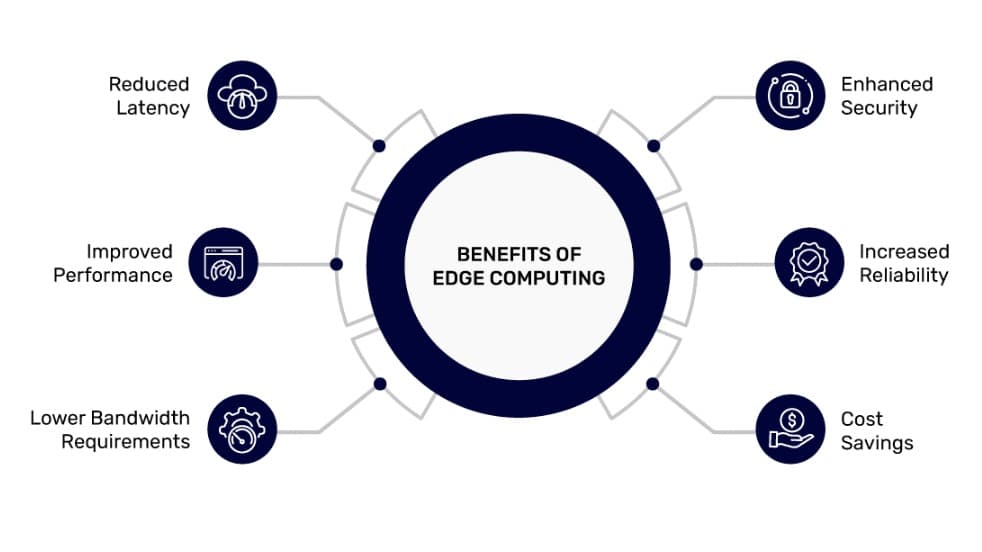
Edge computing is transforming security systems by enabling real-time data processing at the source. By reducing latency, minimizing bandwidth usage, and enabling faster decision-making, edge-based security solutions enhance surveillance efficiency, improve threat response, and support scalable, intelligent security infrastructure across modern enterprises and critical environments.