


Access Control has gone beyond swipe cards. This blog delves into the new wave of authentication fingerprint scans, facial recognition, mobile apps, and cloud-based access management. Learn how these solutions are enhancing flexibility, security, and compliance in workplaces and high-security environments.

In today’s rapidly advancing security landscape, traditional access control methods such as physical keys and magnetic swipe cards are increasingly being replaced by smarter, more adaptive systems. These modern systems, often referred to as "Access Control 2.0," incorporate biometrics, mobile credentials, and cloud integration to offer more secure, convenient, and flexible ways to manage entry and access. As organizations of all sizes face growing security threats ranging from unauthorized intrusions to identity fraud adopting these next-generation technologies is becoming not only beneficial but essential.
Biometric authentication stands out as one of the most transformative innovations in access control. Unlike traditional methods that rely on what a person has (a card or key) or knows (a PIN), biometrics authenticate identity based on who a person is. Fingerprint scanners, facial recognition cameras, iris scanners, and even voice recognition systems are now being deployed in various environments, from corporate offices and government buildings to airports and data centers. The appeal lies in the difficulty of forging biometric traits after all, you can’t forget your face or duplicate your fingerprints as easily as you can with a card or code. Moreover, biometric systems offer speed, audit trails, and integration possibilities that are making them a mainstay in modern security infrastructure.
Facial Recognition, in particular, has seen a dramatic rise, especially in the post-pandemic era where contactless solutions have become a priority. These systems use AI-powered algorithms to match faces in real-time, even with masks on or under poor lighting. In high-security zones, this form of access control reduces the risk of credential sharing or identity spoofing. Moreover, when integrated with surveillance and visitor management systems, facial recognition can provide a seamless and secure entry experience without the need for physical interaction.
Another major shift in access control has been the adoption of mobile credentials. With smartphones now ubiquitous, leveraging them for secure access has proven both practical and powerful. Mobile-based access control allows users to use their phones as digital keys via Bluetooth, NFC, or QR codes. This not only eliminates the need for physical cards but also simplifies credential management. Facility managers can issue, update, or revoke credentials instantly through a centralized dashboard, minimizing the delays and administrative burden associated with traditional systems. Additionally, lost phones can be quickly disabled, unlike misplaced keys or badges which often require lock replacements or manual reprogramming.
Mobile credentials also provide a superior user experience. Users can access multiple sites or doors with a single app, receive push notifications for security alerts, and even gain temporary access to areas as needed. For visitors or contractors, credentials can be sent remotely via SMS or email streamlining check-ins while maintaining security standards. These systems are highly scalable and ideal for large organizations, co-working spaces, or multi-tenant buildings where flexibility and efficiency are paramount.
The third pillar of Access Control 2.0 is cloud integration. Traditional on-premise systems required costly hardware, dedicated IT teams, and complex wiring setups. Cloud-based access control changes the game by offering remote management, real-time monitoring, and seamless integration with other systems all from a web or mobile interface. Administrators can monitor who enters where and when, respond to access events instantly, and generate compliance-ready reports with a few clicks. This level of oversight enhances both security and accountability.
Cloud solutions also improve business continuity and disaster recovery. In the event of a power outage or physical disaster, cloud systems can continue functioning, providing uninterrupted access and record-keeping. Automatic backups, multi-factor authentication for admins, and geo-fencing options are additional benefits that bolster the system's resilience. For multi-site operations, a cloud platform can centralize control across locations, creating a unified security policy without the need for duplicate infrastructure.
Moreover, cloud-connected systems are more agile when it comes to software updates and feature rollouts. Vendors can push security patches and enhancements remotely, reducing vulnerabilities and ensuring systems remain up to date. This is crucial in today’s environment where cyber threats are constantly evolving and outdated access control systems may serve as easy targets for attackers.
One of the often overlooked but highly significant benefits of Access Control 2.0 is its alignment with regulatory and compliance needs. Industries such as healthcare, finance, and data management must adhere to strict standards regarding access to sensitive areas and information. Biometric logs, cloud-based reports, and mobile credential audits help organizations demonstrate compliance with laws such as HIPAA, GDPR, and India's DPDP Act. In high-stakes audits or forensic investigations, digital access trails offer transparent and tamper-proof evidence of access events.
Access Control 2.0 also supports better integration with other building management and security systems. Whether it’s linking with video surveillance for visual verification, connecting with fire safety systems for automated unlocks during emergencies, or integrating with HR databases to auto-disable access for ex-employees, these smart systems foster a more holistic and responsive security ecosystem. The interoperability of modern access control systems is a significant departure from older, siloed technologies that often operated in isolation.
Despite the numerous advantages, transitioning to Access Control 2.0 comes with challenges. Initial investment costs, data privacy concerns (especially with biometrics), and user acceptance are common hurdles. Organizations must carefully evaluate vendors, ensure robust encryption and data handling practices, and provide adequate training to staff. Furthermore, legal frameworks around biometric data collection and usage vary across regions and must be navigated thoughtfully. Transparency with employees and visitors about how their data is collected, stored, and used can go a long way in building trust.
Looking ahead, the future of access control is likely to involve even greater personalization and intelligence. Behavioral biometrics, which analyze how users walk, type, or even carry their phones, are on the horizon. Machine learning algorithms may be used to detect anomalies in access patterns and trigger alerts or actions. Geo-fencing, time-based access rules, and AI-driven predictive analytics will further strengthen security while reducing friction for authorized users.
In conclusion, Access Control 2.0 represents a fundamental evolution in how organizations secure their physical spaces. The convergence of biometrics, mobile credentials, and cloud platforms creates a dynamic and adaptive approach to security that aligns with modern business needs and user expectations. It reduces vulnerabilities, enhances user experience, simplifies management, and supports compliance efforts while laying the foundation for future innovations. As threats grow more sophisticated and workplace expectations evolve, embracing these advanced access control technologies is not just an upgrade it’s a strategic imperative.

Electric fencing strengthens perimeter security by deterring unauthorized access, detecting intrusion attempts, and integrating with CCTV, alarms, and security teams to create a proactive, layered defense system.
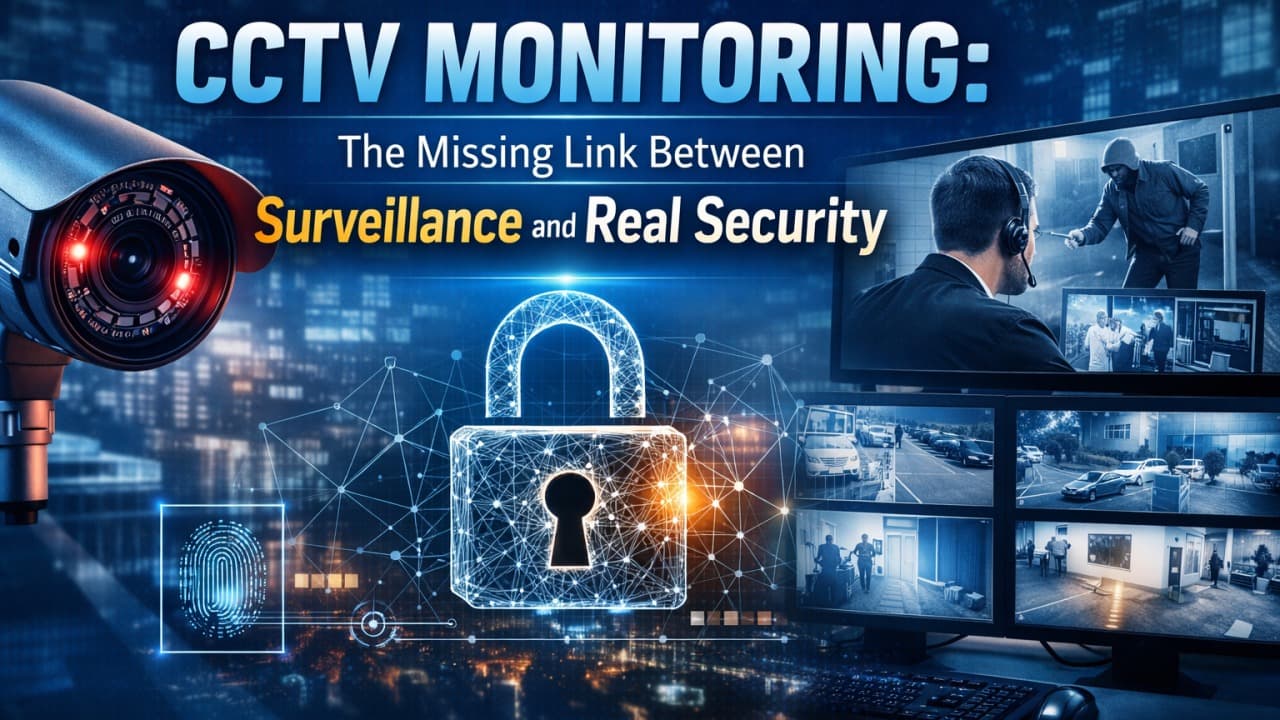
CCTV surveillance is a critical component of modern security systems, providing real-time monitoring, deterrence, and evidence collection. When properly planned and maintained, CCTV helps prevent unauthorized access, detect suspicious activity, and support investigations. However, effectiveness depends on camera placement, monitoring quality, system integration, and regular maintenance.
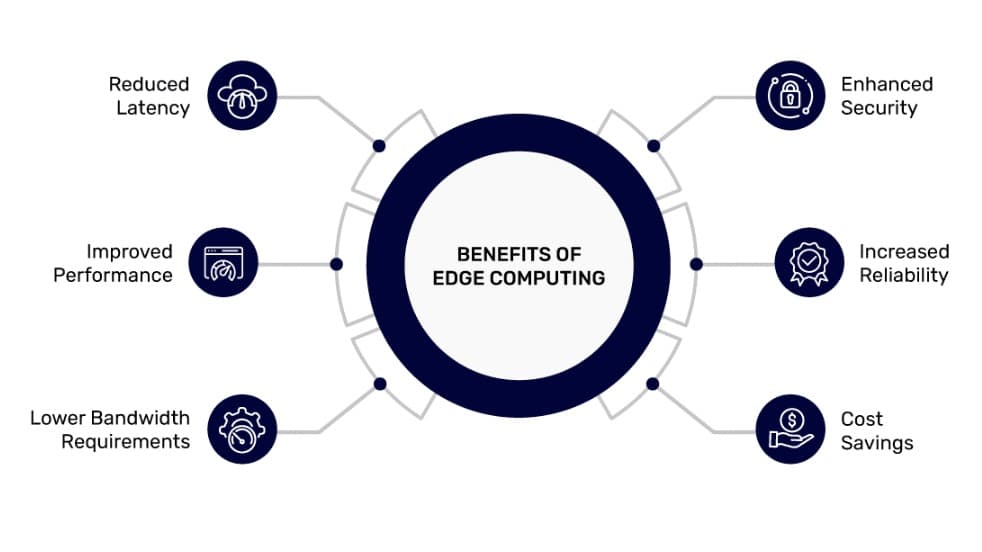
Edge computing is transforming security systems by enabling real-time data processing at the source. By reducing latency, minimizing bandwidth usage, and enabling faster decision-making, edge-based security solutions enhance surveillance efficiency, improve threat response, and support scalable, intelligent security infrastructure across modern enterprises and critical environments.