


Modern Security Systems do more than deter crime they serve as vital forensic tools in post-incident investigations. This article explores how access logs, surveillance footage, biometric data, and intrusion alerts provide crucial evidence that helps investigators reconstruct events, identify culprits, and strengthen legal proceedings in both physical and cyber security cases.

In the ever-evolving world of security, the value of prevention is universally recognized. Yet, when breaches do occur be it a physical intrusion, theft, sabotage, workplace violence, or a cyberattack the ability to swiftly and accurately reconstruct events becomes just as critical. This is where post-incident forensics comes into play. Modern security systems are no longer passive deterrents; they are dynamic tools that capture, analyze, and store information essential for investigations. From digital access control logs to high-definition surveillance footage and biometric records, today’s systems can offer a detailed timeline of events, helping law enforcement, internal investigators, and insurance agencies determine what happened, how it happened, and who was responsible.
One of the most essential forensic components in any security system is CCTV surveillance. Video footage serves as both a deterrent and a retrospective witness. In the aftermath of an incident, investigators rely on timestamps, facial recognition data, and behavior patterns to identify suspects or verify alibis. The rise of smart cameras with AI capabilities has further enhanced forensic quality. These systems can automatically flag unusual activity, track object movement, zoom in on faces or license plates, and even detect emotional cues providing more granular insights than traditional video alone.
However, video is only one piece of the puzzle. Access Control Systems whether keycard-based, biometric, or mobile record who entered which zone and when. These digital logs are invaluable in narrowing down suspects or confirming the presence of specific individuals at the time of an incident. In cases of theft or sabotage, access control data can either exonerate or implicate employees and contractors, especially when cross-referenced with video footage. When biometric authentication is involved such as fingerprint or facial recognition the credibility of access logs increases, leaving little room for doubt.
Additionally, Intrusion Detection Systems (IDS) play a critical role in identifying and timestamping unauthorized access attempts. Sensors that detect door openings, window breaks, or motion in restricted areas provide alerts that are logged and stored. These logs can reveal patterns such as recurring attempts at the same hour or location which may indicate reconnaissance efforts prior to a major breach. Alarm data, when paired with environmental sensors (like light and temperature changes), can help forensic teams validate whether an alarm was genuine or triggered by environmental anomalies.
An increasingly vital area of post-incident forensics involves Networked and IoT-enabled Security Systems. In smart buildings, everything from surveillance cameras to fire alarms and HVAC systems may be connected to a central command. These systems generate metadata such as when a camera was deactivated or when motion detection was turned off which may indicate tampering or internal sabotage. Logs from these devices can be parsed through analytics platforms to identify anomalies and generate incident heat maps, helping investigators visualize sequences and focal points of activity.
Another powerful tool is Audio Surveillance and panic button systems. While not universally legal in all regions due to privacy laws, in environments where they are permitted (like banks or security cabins), recorded audio can provide crucial context that video might miss such as verbal threats, distress calls, or confirmation of identity. Similarly, panic buttons or duress codes used during an incident automatically generate timestamps and alerts, allowing investigators to reconstruct the precise timeline of escalating events.
In high-security environments, System Integration makes post-incident forensics even more effective. Security Information and Event Management (SIEM) platforms are increasingly being used to correlate data from different sources video, access logs, motion sensors, cyber firewalls, and alarms to create a unified event narrative. These platforms use rule-based logic and AI to flag inconsistent behavior or potential collusion (e.g., a user badge was used to access a door, but no corresponding face was captured on the camera feed).
Cybersecurity Forensics is another pillar of post-incident investigation. Security systems such as firewalls, endpoint protection, and intrusion prevention tools maintain detailed logs of access attempts, port scans, malware activity, and more. When a cyberattack occurs, forensic experts use these logs to trace the attack vector, determine if data was exfiltrated, and identify compromised accounts. In hybrid threats where a physical breach is used to plant malware or steal hardware coordinated forensics from both cyber and physical security systems are vital.
It’s also important to understand the Legal Relevance of post-incident data. For any digital or video record to hold up in court, it must be collected, stored, and accessed following proper chain-of-custody protocols. Security systems that offer tamper-evident logs, encrypted storage, and restricted access play a major role in ensuring that evidence remains admissible. Many modern systems offer audit trails that show exactly who accessed which records and when, protecting against internal tampering.
Furthermore, Cloud-Based Storage has improved the longevity and accessibility of forensic data. Incidents are often discovered days or weeks after they occur, and by then local storage (such as DVR systems) may have overwritten crucial footage. Cloud storage solutions provide long-term archiving and redundancy, ensuring that important data isn’t lost due to hardware failure, theft, or deliberate deletion. These platforms also facilitate collaboration between stakeholders allowing law enforcement, security vendors, and corporate management to access and analyze data from different geographic locations.
Insurance claims and compliance audits are additional domains where security forensics shine. In cases involving property damage, liability, or workplace injury, forensic evidence helps validate claims and protect organizations from fraudulent accusations. Regulatory bodies often require incident records and investigation timelines especially in sectors like finance, healthcare, or energy making comprehensive security data not just a best practice, but a compliance necessity.
Despite these advances, organizations must be proactive in maintaining Forensic Readiness. This includes training security staff on incident response procedures, ensuring systems are updated and synchronized, regularly backing up logs, and conducting mock investigations to test system capabilities. Investing in high-quality hardware is only one piece of the equation; without a plan for how data will be used post-incident, the full value of a security system remains untapped.
In conclusion, the role of security systems extends far beyond the moment an incident occurs. Their true power is often realized in the days and weeks that follow, as investigators sift through data to uncover truths, assign accountability, and prevent future breaches. In a world where threats are more complex and stakes are higher, robust post-incident forensics enabled by integrated, intelligent, and well-managed security systems is no longer optional. It’s the backbone of effective, evidence-based risk management.
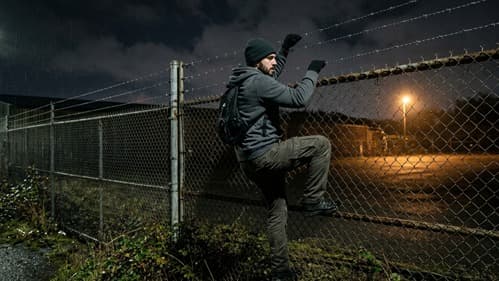
Electric fencing strengthens perimeter security by deterring unauthorized access, detecting intrusion attempts, and integrating with CCTV, alarms, and security teams to create a proactive, layered defense system.
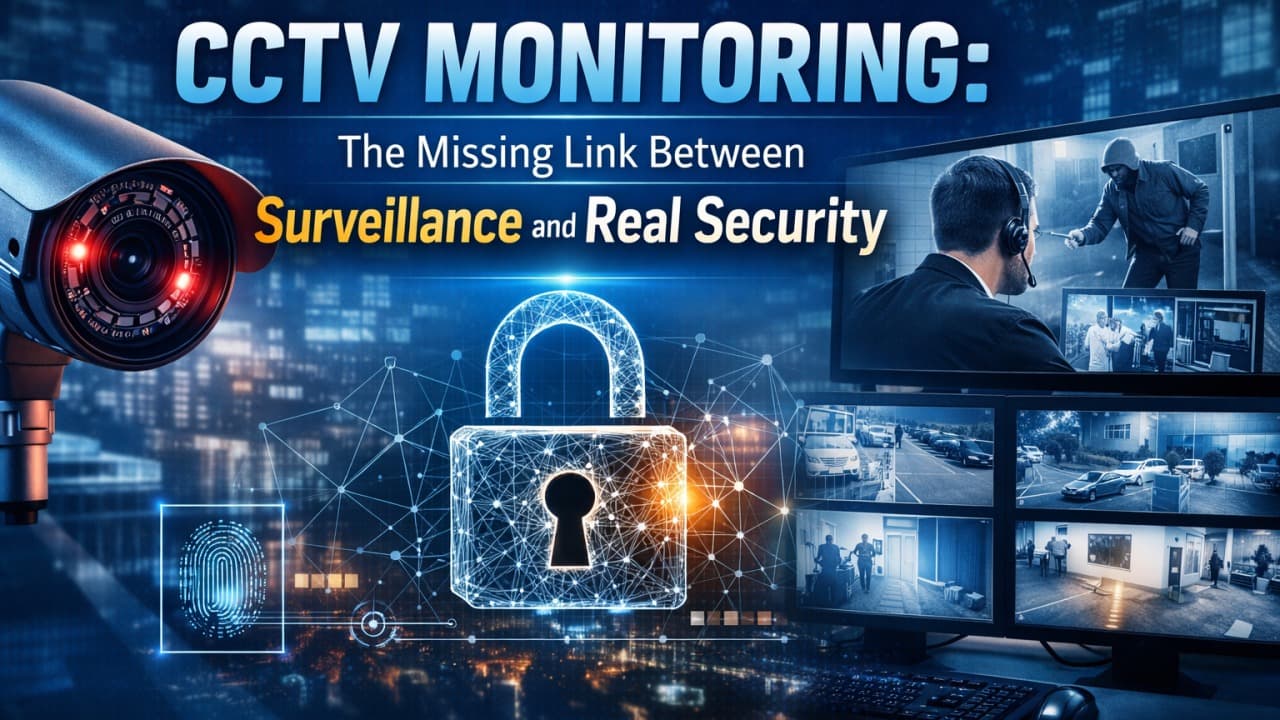
CCTV surveillance is a critical component of modern security systems, providing real-time monitoring, deterrence, and evidence collection. When properly planned and maintained, CCTV helps prevent unauthorized access, detect suspicious activity, and support investigations. However, effectiveness depends on camera placement, monitoring quality, system integration, and regular maintenance.
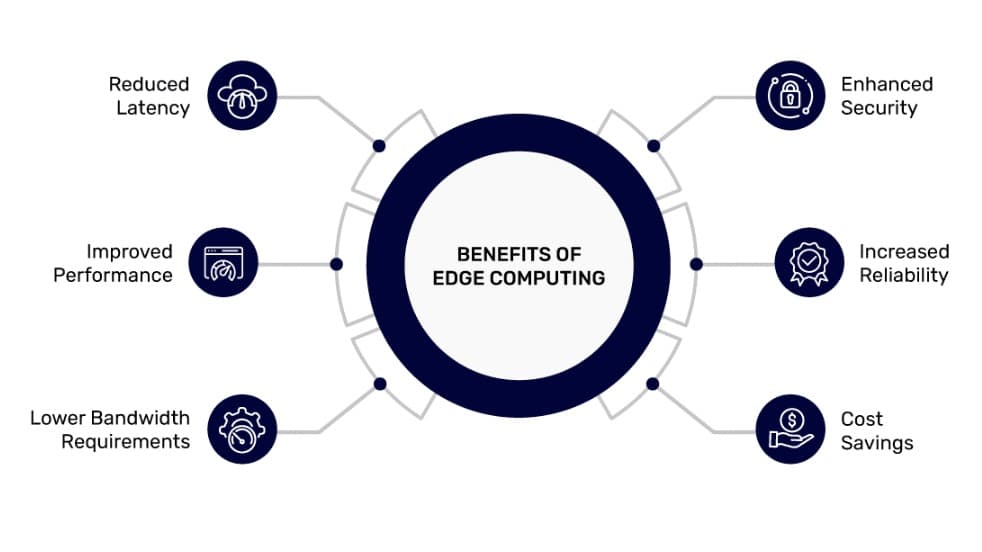
Edge computing is transforming security systems by enabling real-time data processing at the source. By reducing latency, minimizing bandwidth usage, and enabling faster decision-making, edge-based security solutions enhance surveillance efficiency, improve threat response, and support scalable, intelligent security infrastructure across modern enterprises and critical environments.